


Your safety and comfort are our highest priority. Our anesthesia providers use modern techniques and monitoring to ensure you have a smooth, safe experience before, during, and after your procedure.
What to Expect
Before your Procedure
Your anesthesia provider will meet with you prior to surgery to review your medical history, medications, past anesthesia experiences, and answer any questions.
They will explain the type of anesthesia recommended for your procedure and what you can expect when waking up.
Types of Anesthesia
Depending on your procedure and health needs, your anesthesia provider may use:
General Anesthesia
You are fully asleep throughout the procedure.IV Sedation (“Twilight Sedation”)
You are relaxed and sleepy but breathing on your own.Local Anesthesia
The surgical area is numbed to prevent discomfort.
In many cases, these may be combined for maximum comfort and safety.
How We Keep You Safe
During your procedure, your anesthesia provider monitors:
Heart rate
Blood pressure
Oxygen levels
Breathing
Depth of anesthesia
They remain at your bedside for the entire procedure to ensure you remain stable and comfortable.
Our anesthesia team follows strict safety protocols and national standards for ambulatory surgery centers.
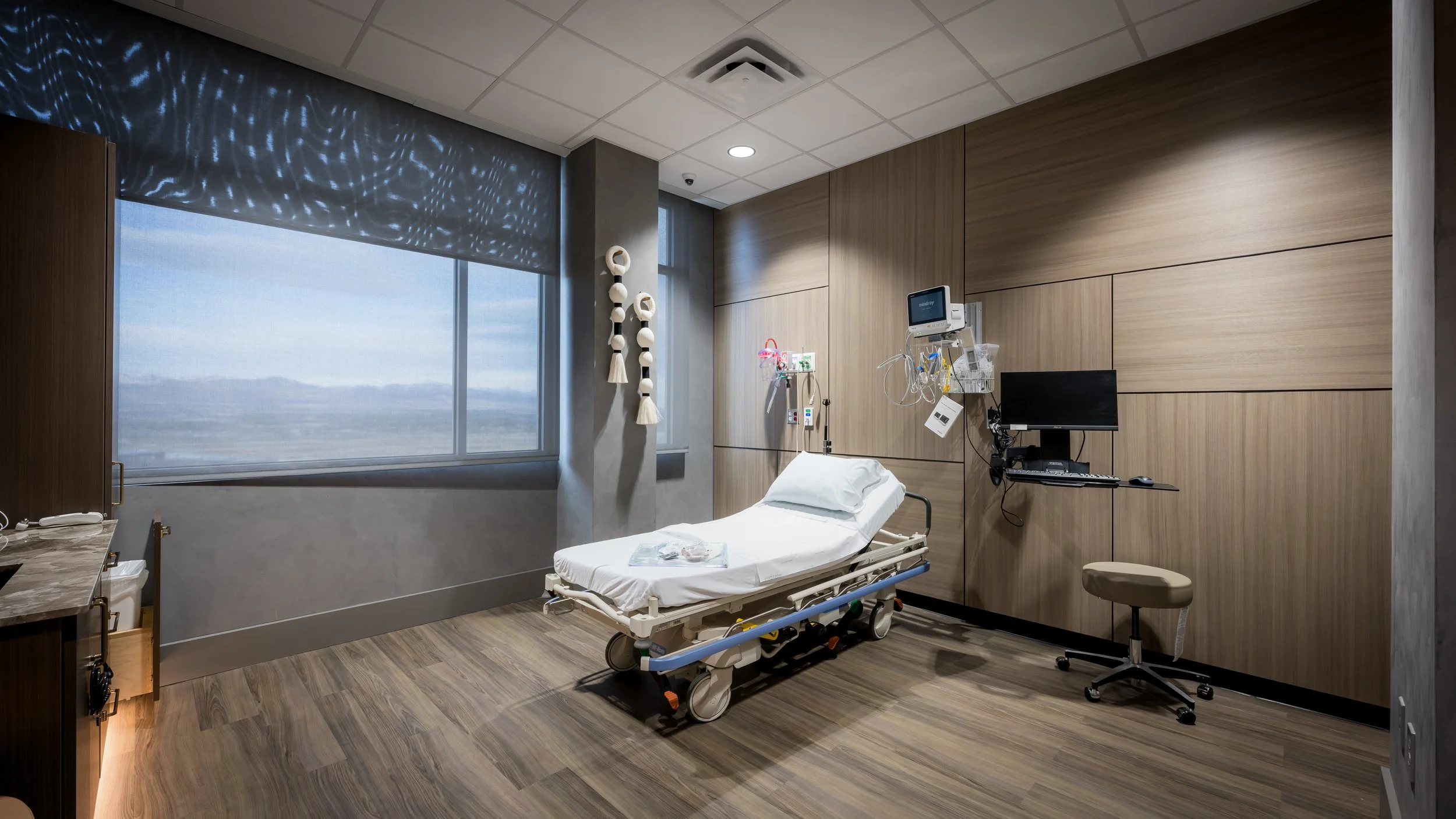


Preparing for Anesthesia
To ensure a safe experience:
Follow all fasting instructions (no food or drink as directed).
Take only the medications your pre-op team tells you to take.
Avoid nicotine and smoking as instructed.
Inform your anesthesia provider of any recent illness, changes in medications, or health concerns.
If you have questions about medications, please call your surgeon’s office before surgery.
After Anesthesia
It’s normal to feel sleepy, groggy, or slightly nauseated as you wake up.
A registered nurse will monitor you in the recovery area until you are safe, stable, and meet discharge criteria.
You may also experience:
Mild dizziness
Chills or shakiness
Sore throat if a breathing device was used
Temporary memory changes or forgetfulness
These effects are normal and usually fade within a few hours.
For safety, you must have a responsible adult drive you home and stay with you for the first 24 hours.

Questions About Anesthesia?
Our anesthesia team is here to support you. If you have concerns before surgery, please speak with your pre-op nurse or surgeon’s office.